One Nation, Overcharged: Taking a Healthcare Campaign to the Weekly Run

One Nation, Overcharged is a national healthcare affordability campaign funded by the Robert Wood Johnson Foundation. It needed its message to reach people who don't come to advocacy events. Produced three cultural activations across Detroit, Atlanta and Philadelphia in five weeks: a permanent mural with an artist panel and block party, then two Run For Care events built on local run clubs.
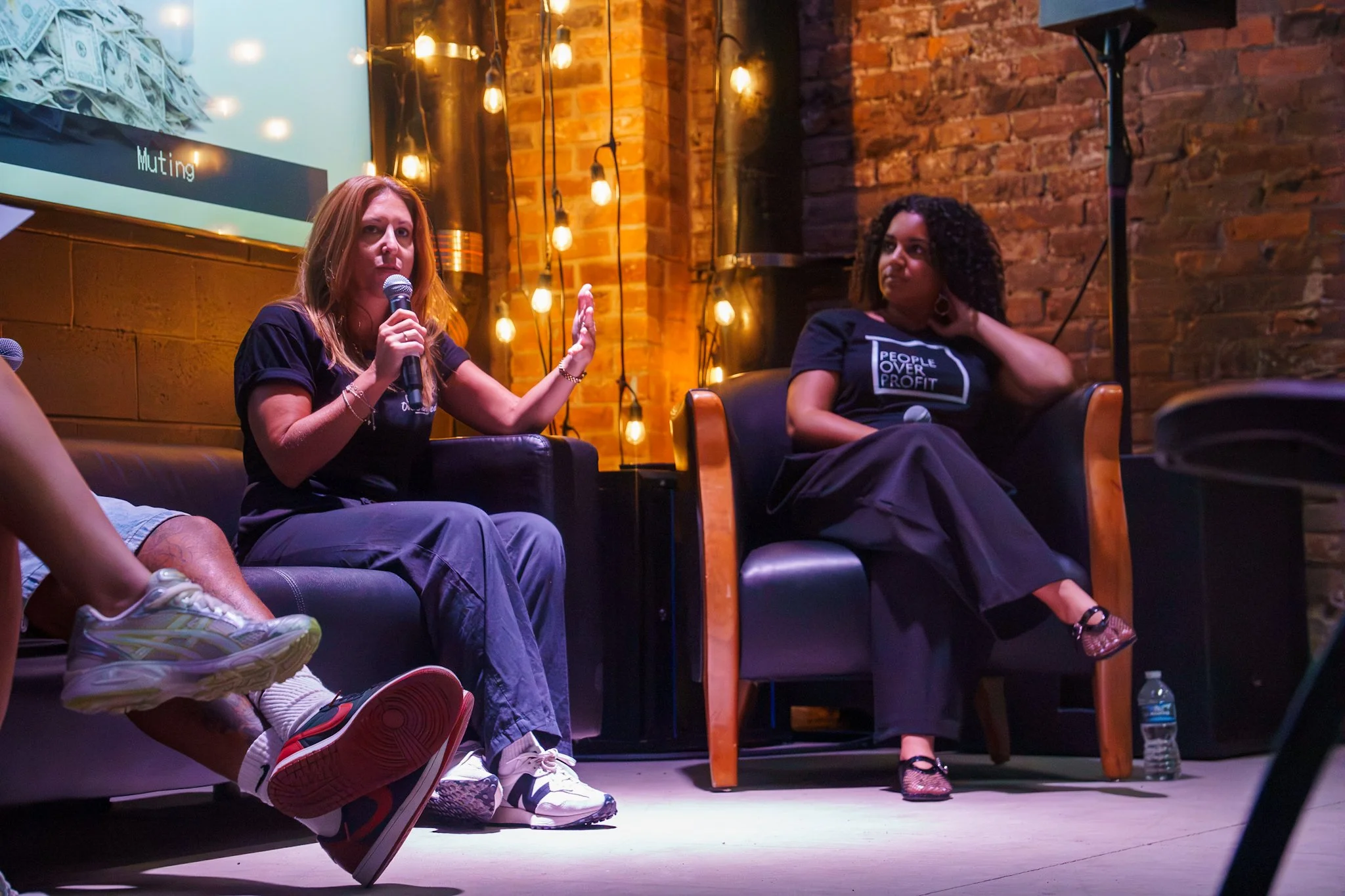
Mural unveiling, artist panel and block party at Eastern Market. 298 RSVPs, 150 to 200 attendees, and a permanent mural by Oshun Williams.
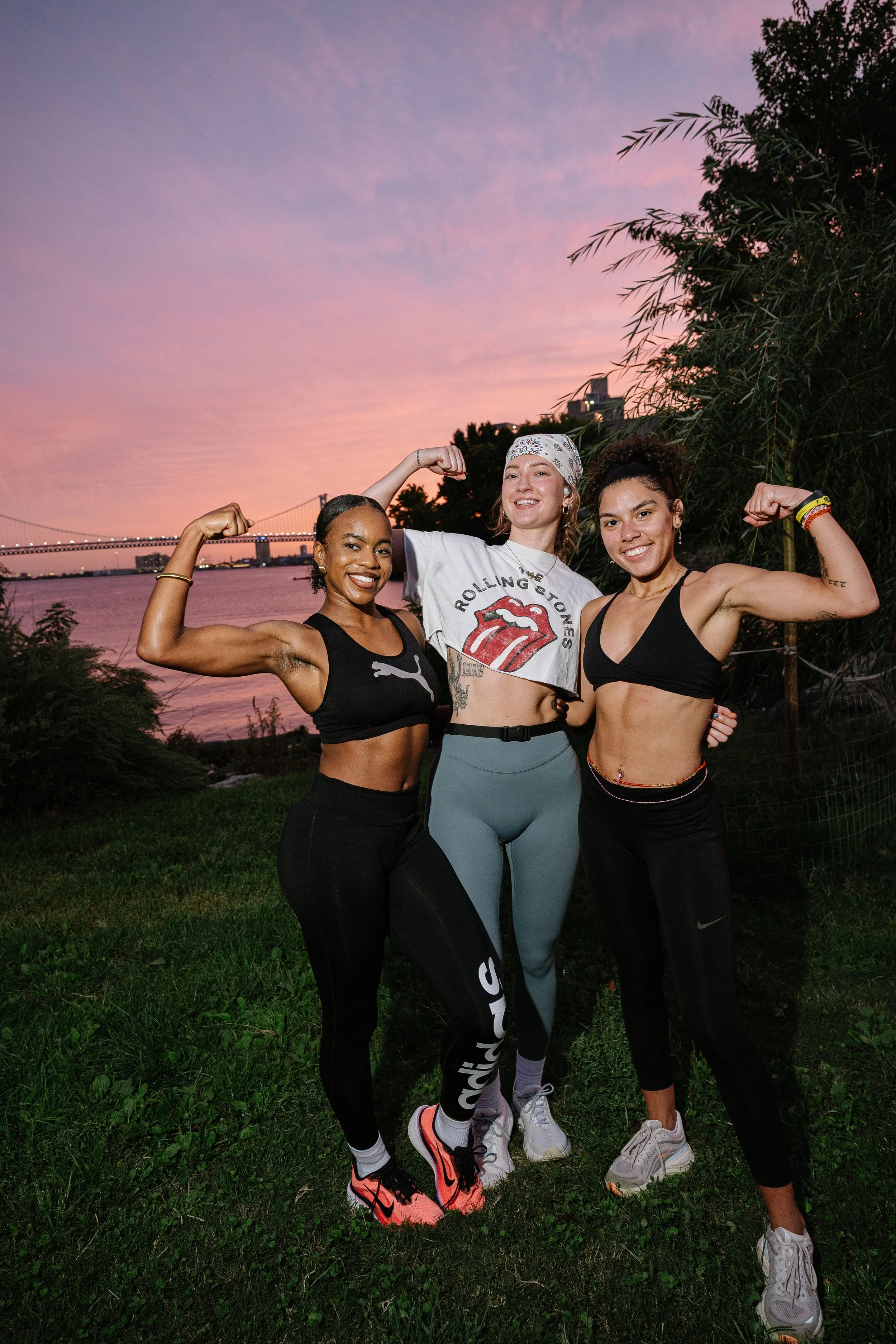
Run For Care with Hills 4 ATL on the BeltLine, followed by a block party. 250 RSVPs and about 150 attendees.
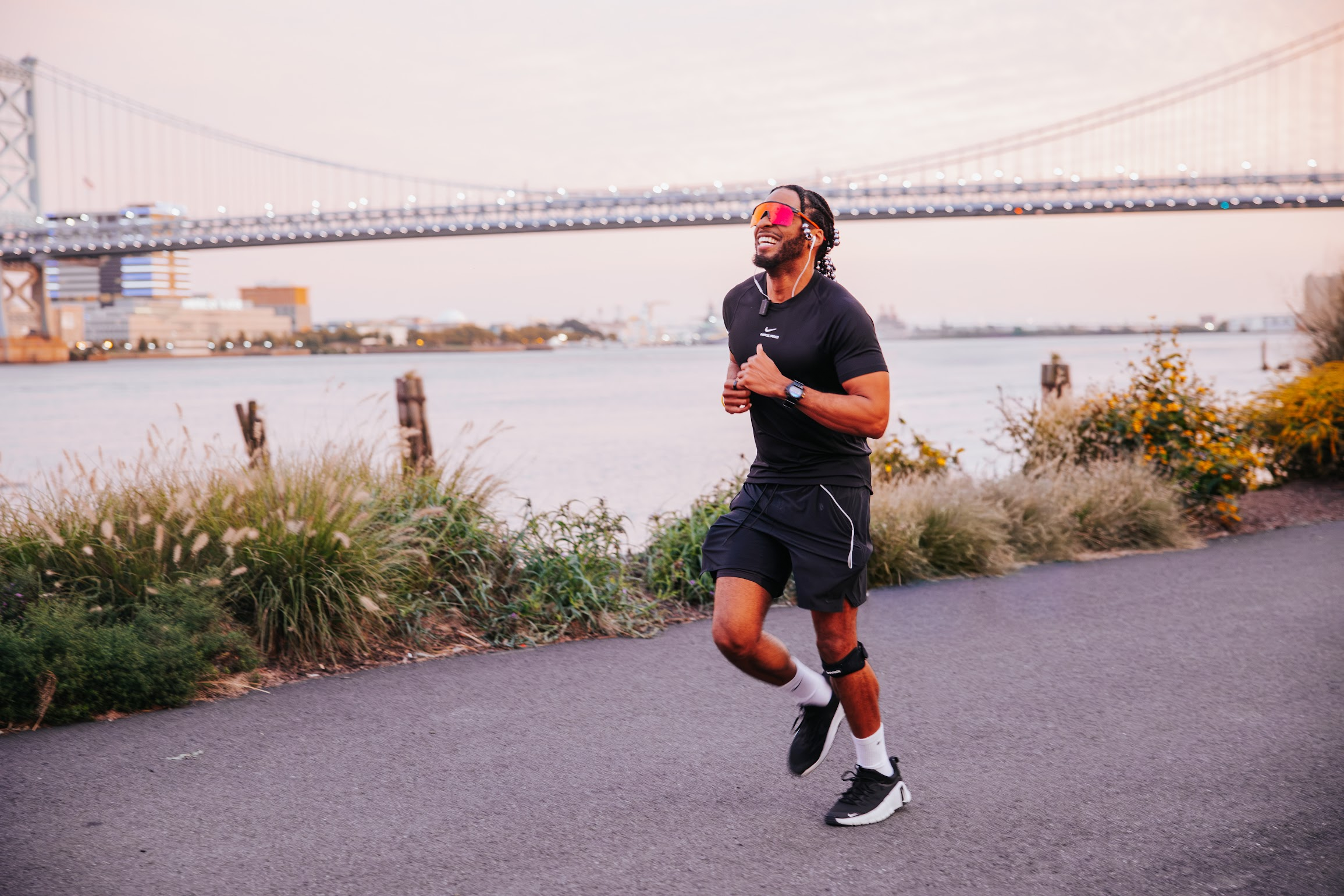
Run and walk with Men's Night Run Club and Philly Run Tribe at Penn Treaty Park. 251 RSVPs, 150 to 175 attendees, and about 120 on the route.
In Atlanta and Philadelphia, the campaign commissioned a run club's existing weekly run instead of building a race or a rally. Healthcare costs were built into everything on site: factoids along the route, the stretch, the DJ's talking points, the shirt, and the stories collected before step-off.
A healthcare message doesn't belong at a run club unless it's part of the run. Detroit showed what happens otherwise. A storm moved the block party indoors, the mural ended up outside the room, and the message sat beside the culture. Each of the next two cities had to close the last city's gaps within days, on a fixed budget, with client sign-off on every printed piece.
Culture as the Way In
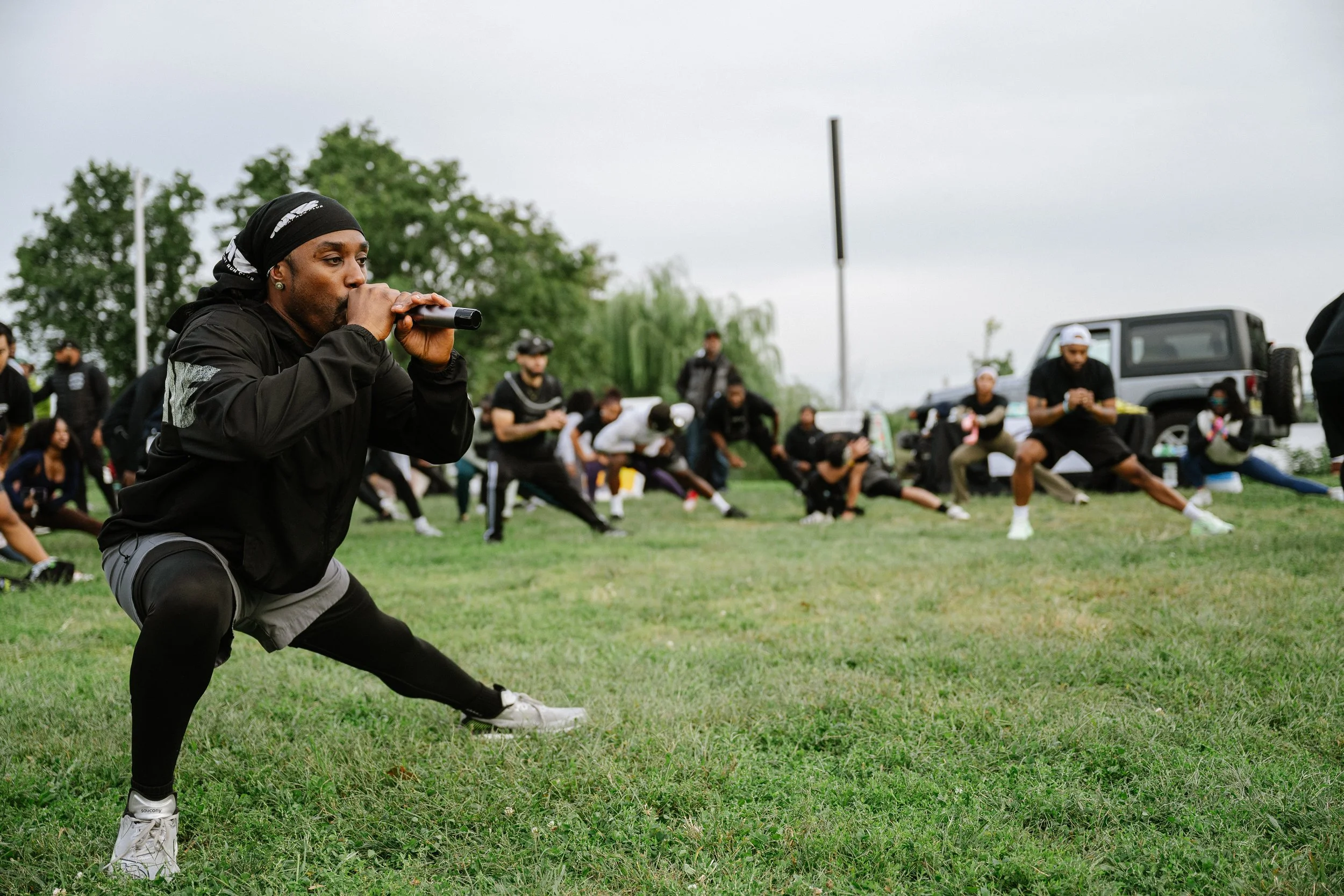
Built the activation around a habit people already had. Commissioned each club's weekly run, kept the Atlanta route short enough to avoid a race permit, and made the campaign message part of the run itself.
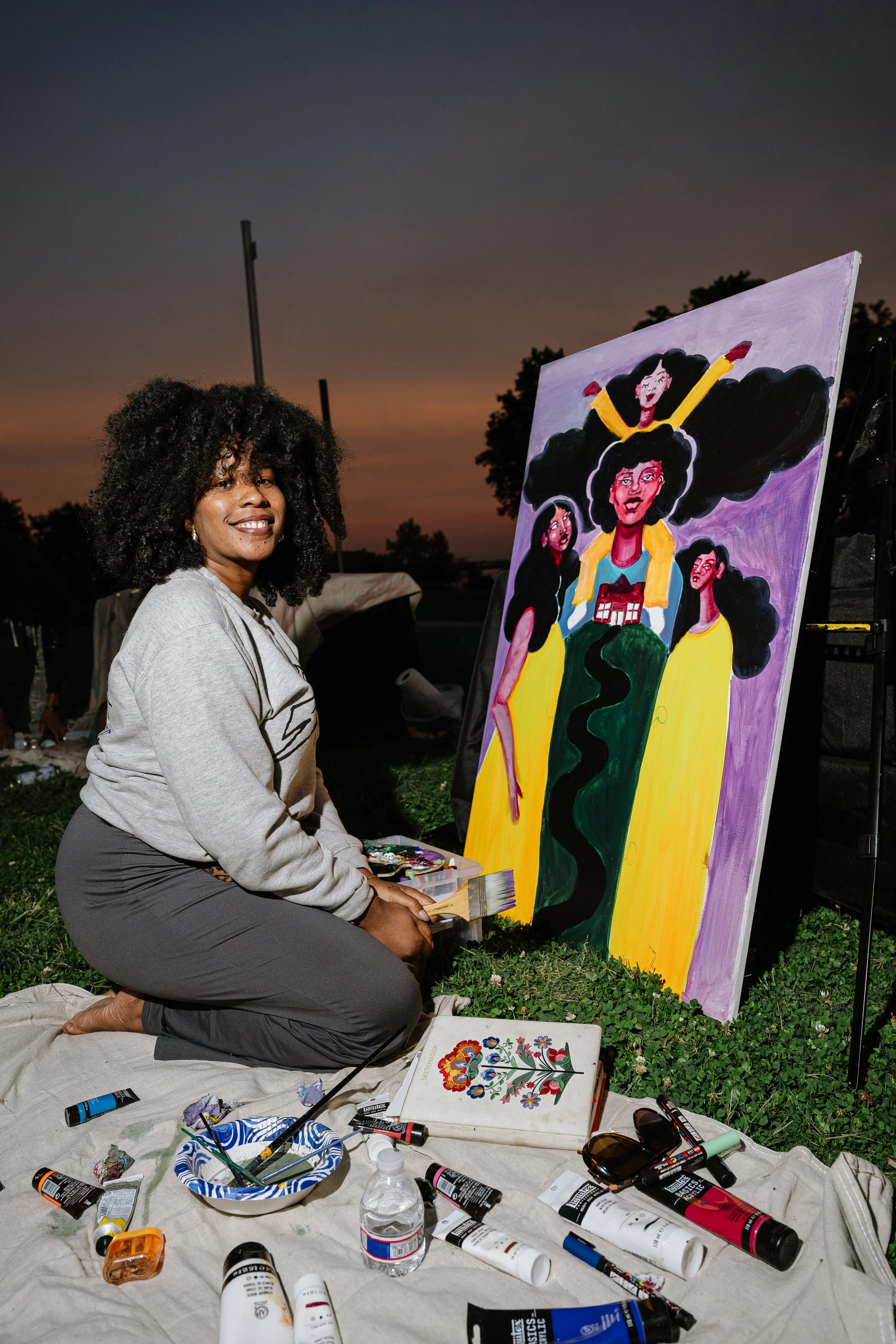
Wrote the briefs for live painters and activation stations so every piece on site tied back to healthcare costs. Designed activities for people who came for the block party rather than the run: lawn games, a bead station, and free sketch portraits.
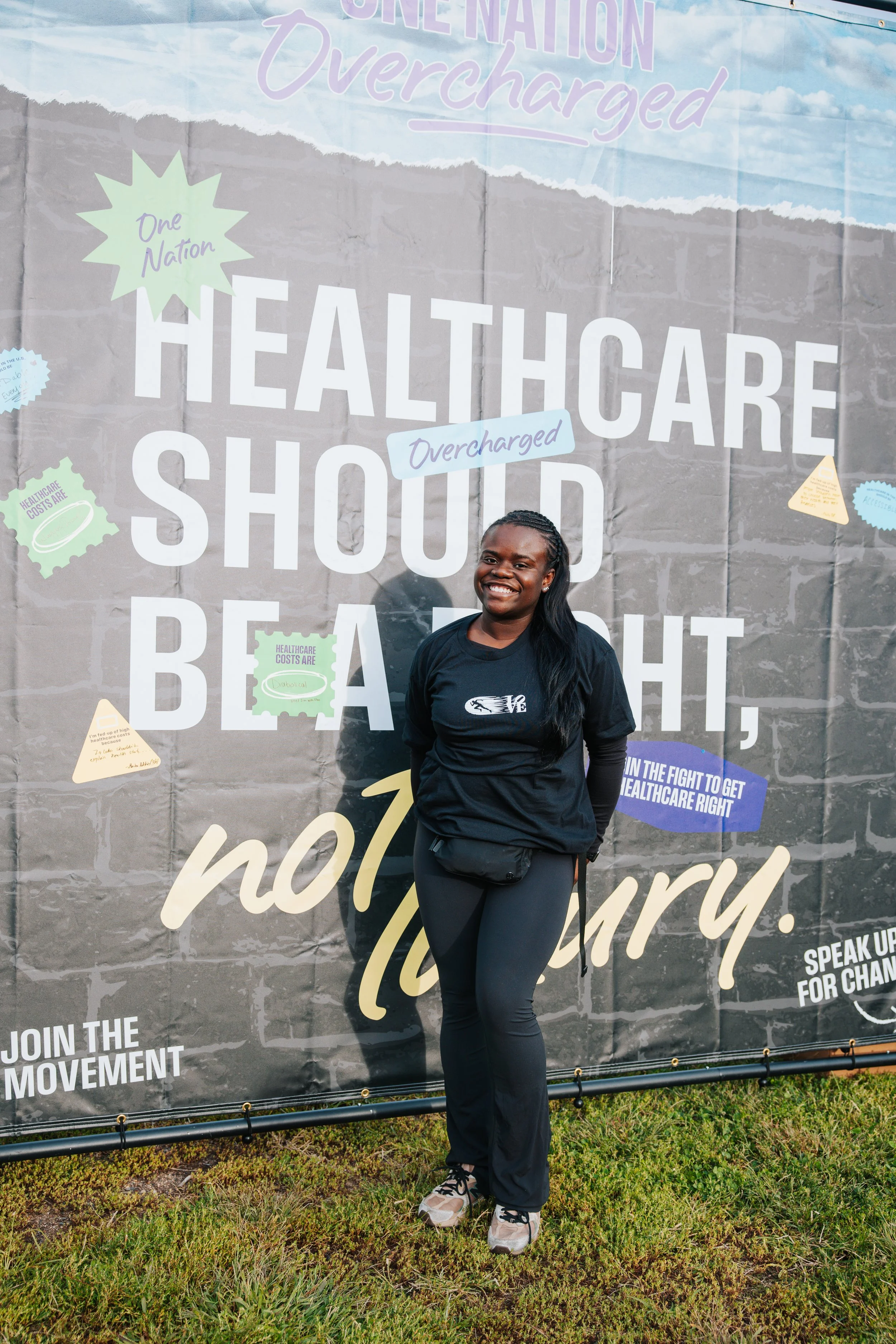
Set the approach used for on-camera stories. A trusted local face asked the questions, in a quiet corner with a mic, before the run while people still had breath. People repeated the question in their answer, and names were spelled on camera. Briefed interviewers and videographers in each city.
Ran a same-day debrief with named fixes after every event, and each of Atlanta's four gaps had a fix in Philadelphia within six days.
New Audiences, Wearing the Message
Reached people the campaign wasn't reaching.
Most of the 800 RSVPs came through run clubs, artists and local creators rather than advocacy channels. Passersby on the Atlanta BeltLine stopped and joined in. In Philadelphia, a younger crowd stayed long after the run, and recording artist Armani White promoted it to his own audience without being asked.
The message, worn and repeated.
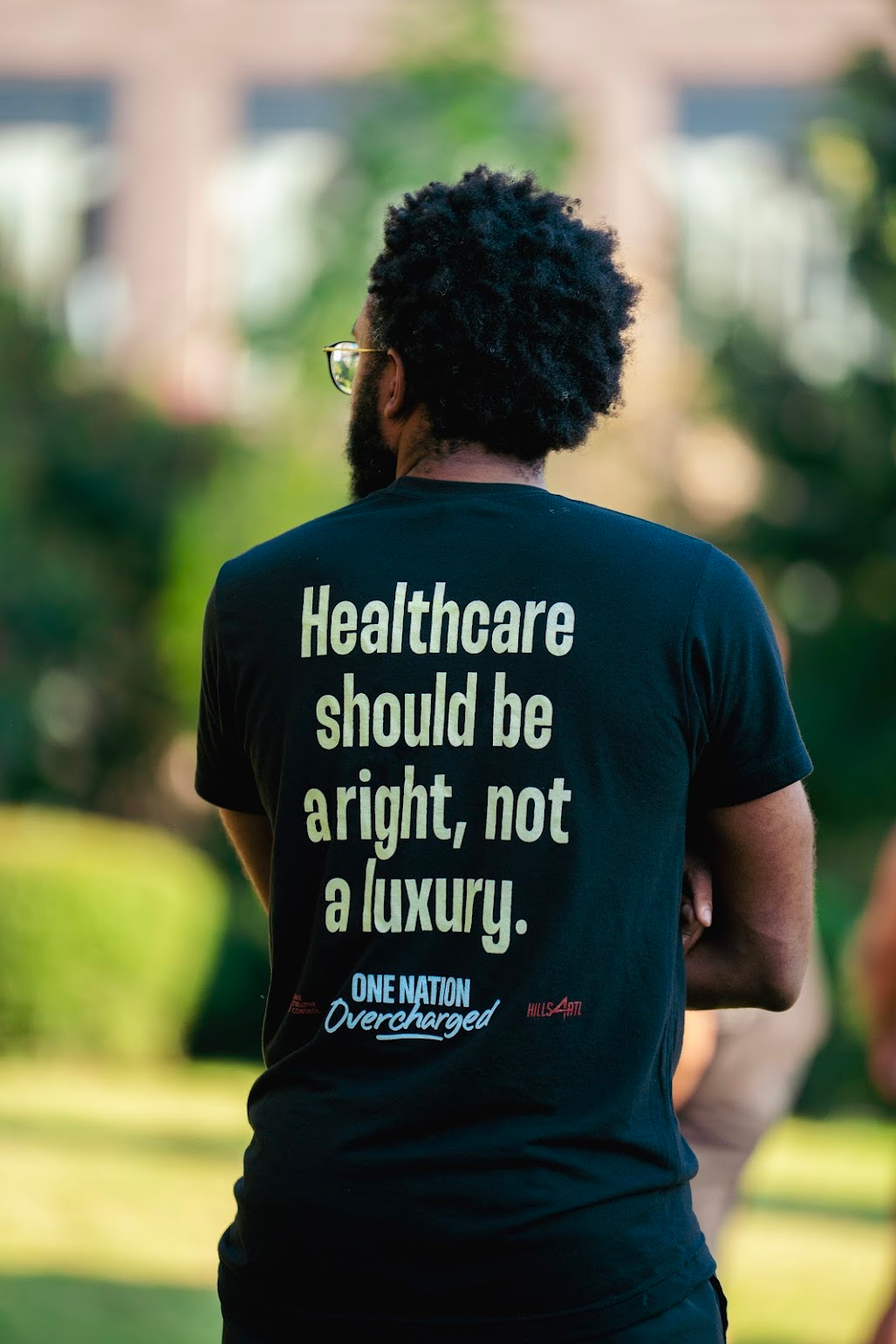
About 300 locally designed shirts carrying the campaign line are now in circulation, and attendees said it back to the team unprompted.
A model others asked to use.
The campaign's partners in another state asked to replicate the run-club format. The client asked for the footage to keep feeding its 50,000-follower national account through the fall. Detroit kept a permanent mural, and the two runs left four live-painted canvases.